


Paediatric speech pathology · Northmead

Speech Therapy for Children in Western Sydney

Empowering every child’s voice, together

Every child’s voice is unique, and so is every family’s journey. Whether your child is just beginning to communicate or finding speech, language or social interaction hard, our speech pathologists are here to help. You’re not alone on this journey.
  • Children and teens up to 16
  • No referral needed
  • Supports NDIS self-managed & plan-managed families
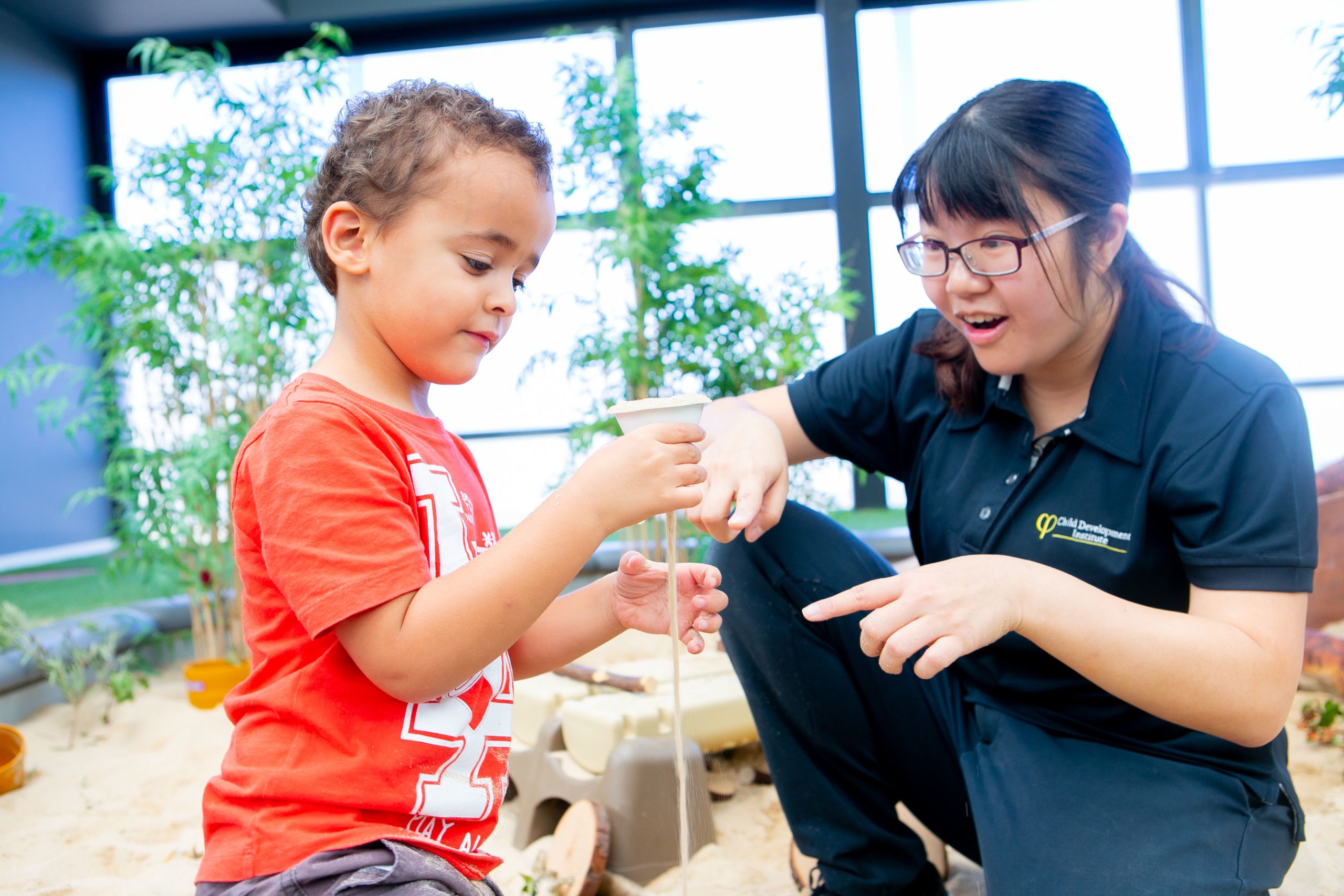
Speech pathologist and child playing together at a sand table
Northmead clinic7/185 Briens Road
Play-basedTherapy that feels like fun
How we can help

Our speech therapy services

Our speech pathologists assess and support the full range of children’s speech, language and communication needs.

Speech Delay & Late Talkers

For toddlers and young children who are not yet meeting speech and language milestones for their age.

Speech Sounds & Articulation

Therapy for children whose speech is unclear or hard to understand, covering articulation and phonological disorders.

Language Disorders (DLD)

Assessment and therapy for children who find it hard to understand or use language, including developmental language disorder.

Social Communication

Neurodiversity-affirming speech therapy for children with social communication differences, including gestalt language processing.

AAC & Non-Speaking Children

Augmentative and alternative communication support for children who use communication devices, PODD or key word sign.

Not sure where to start?

Tell us what you’re noticing. Our client care team will talk it through and book the right first appointment.
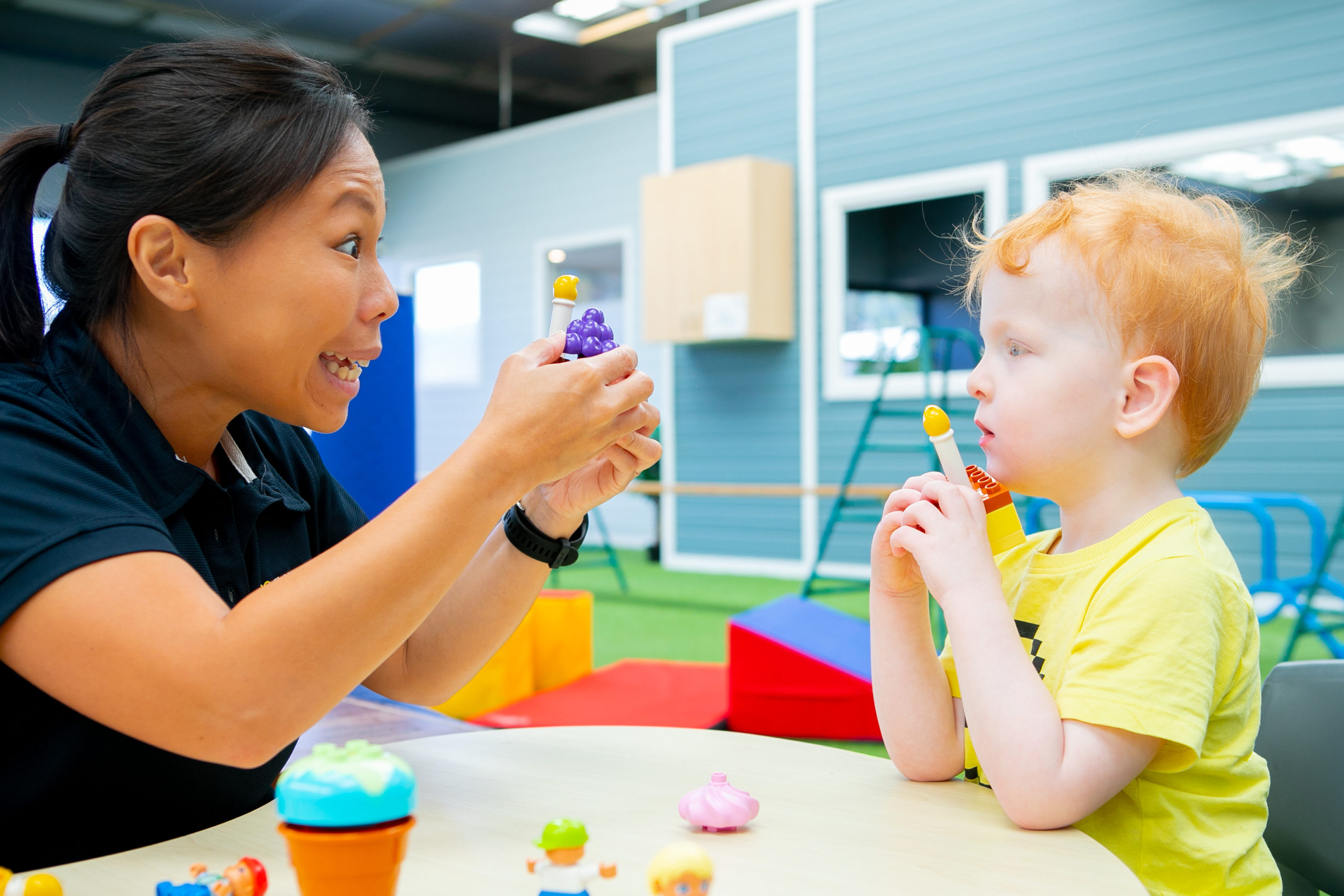
Therapist using bubble play to encourage a toddler’s communication
Our approach

Kind, collaborative and evidence-based

We believe in the power of connection. Our transdisciplinary team works closely with families, educators and other health professionals to create a nurturing, coordinated plan that supports your child’s development across all areas.

Whether your child is developing in their own time, communicating in their own way, or exploring the world through a different lens, we support their journey with compassion and respect.

Family-centredYou know your child best. We partner with you every step of the way.
Culturally sensitiveWe honour the diverse cultures, traditions and values of Western Sydney’s communities.
Play-based and engagingTherapy should feel like fun, not a chore.
Backed by researchProven methods, tailored to your child’s unique needs.
What to expect

What speech therapy looks like

A typical children’s speech therapy program at The Bridge Effect includes:

  1. Regular sessions

    Weekly or fortnightly sessions with a qualified speech pathologist. Frequency depends on the nature of your child’s needs.

  2. A clear therapy plan

    Specific, measurable goals based on your child’s assessment results and your family’s priorities.

  3. Parent and carer coaching

    We teach you the strategies we use so practice fits into everyday routines. The hours you spend with your child each day matter most.

  4. Progress reviews

    Typically every 10–12 sessions, we review progress and adjust goals as your child develops.

Assessments

Typical assessments we offer

Our speech pathology assessments help us understand your child’s communication strengths, development and support needs. We combine standardised assessments, play-based observation, family input and functional communication measures to build a full picture of your child’s skills.

  • Identify speech, language, literacy and communication differences
  • Understand your child’s communication strengths and support needs
  • Plan individual, meaningful therapy goals
  • Monitor progress and support applications for funding or additional services
Informal Play-Based Communication AssessmentEarly communication
All ages (most often used in early childhood)

Uses child-led play, natural interactions and observation to explore communication skills, including gestures, joint attention, play, understanding and expressive language.

Preschool Language Scales, Fifth Edition (PLS-5)Early language development
Birth to 7 years 11 months

Assesses how young children understand and use language, including early vocabulary, sentences, communication and language concepts.

Augmentative and Alternative Communication (AAC) AssessmentMultimodal communication
All ages

Explores communication strengths, needs and access to different ways of communicating, including gestures, pictures, communication boards and speech-generating devices. It may include trials of AAC systems and working with families and educators.

Diagnostic Evaluation of Articulation and Phonology (DEAP)Speech sounds
Ages 3 to 8 years 11 months

Assesses how a child produces speech sounds and identifies speech sound patterns or difficulties that may affect how clearly they are understood.

Clinical Evaluation of Language Fundamentals, Fifth Edition (CELF-5)Speech and language
Ages 5–21

A standardised assessment for school-aged children that explores understanding and use of spoken language, including sentence structure, vocabulary, following directions and language memory.

CUBED Narrative Language AssessmentNarrative and literacy skills
Preschool to school age

Explores a child’s ability to understand and retell stories, organise information and use language to share ideas. It can help identify areas for further support with oral language and literacy.

Pragmatic ProfileSocial communication
Preschool and primary school

Uses information from parents, educators and everyday interactions to explore how a child communicates for different purposes, joins in interactions and uses communication across social settings.

CELF-5 Reading and Writing SupplementLiteracy
Ages 8–21

Explores reading comprehension and written language skills to help identify where a child may need extra literacy support.

Dynamic Indicators of Basic Early Literacy Skills (DIBELS 8th Edition)Early literacy
Kindergarten to Year 8 (about 5–14 years)

A series of brief assessments that measure foundational literacy skills, such as phonological awareness, decoding and reading fluency, to help identify areas that need extra support.

Our speech pathology team

Strong clinical capability

Great speech therapy starts with well-supported speech pathologists. Here’s how we make sure every session with your child is thoughtful, current and focused.

Ongoing professional development

Our speech pathologists take part in regular training, so your child’s speech, language and communication therapy reflects current evidence.

Clinical supervision and support

Our speech pathologists work with ongoing clinical supervision, so there’s always an experienced colleague to talk through your child’s goals and progress.

Speech and OT working together

If your child also sees one of our occupational therapists, both clinicians share insights and plan together, so communication goals connect with your child’s sensory, motor and regulation goals.

Time and focus for every child

We cap the number of children each clinician sees in a day, so every session gets their full attention and energy.

A purpose-built clinic

Therapy rooms designed for children, with resources for play-based speech therapy and our OT team in the same clinic.

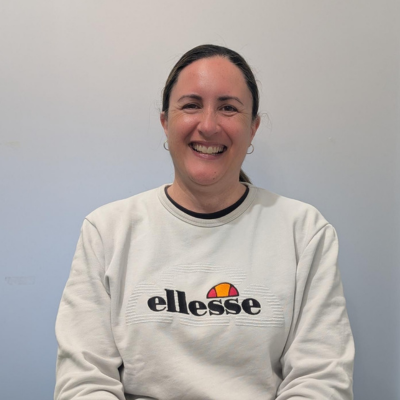
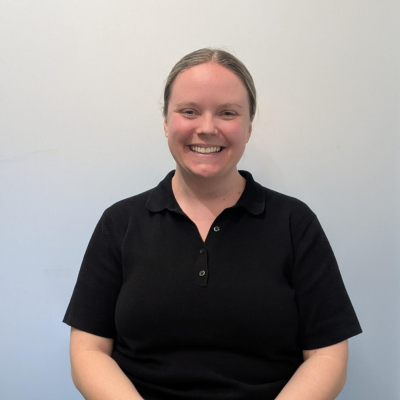
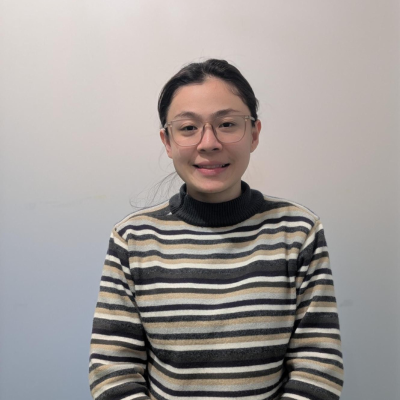
Meet our speech pathologists

The people who’ll work with your child

Our speech pathologists are members of Speech Pathology Australia and work closely with our occupational therapists, so your child’s goals are joined up across both services.


FAQs

Questions parents ask us

Answers to common questions about children’s speech therapy at The Bridge Effect. Can’t see yours? Call us on (02) 9037 1163.

How do I know if my child needs speech therapy?

Every child develops at their own pace. If you’re noticing delays in speech, difficulty understanding or using words, or challenges with social interaction, it may be time to seek support. We offer gentle, no-pressure assessments to help you understand your child’s communication needs.

What happens during a speech therapy session?

Sessions are play-based, engaging and tailored to your child’s interests and goals. We use evidence-based activities to build communication skills in a way that feels natural and enjoyable. Parents are always welcome to be involved, because therapy works best as a team effort.

How can I support my child’s progress at home?

We give parents practical strategies, resources and ongoing support so you can confidently help your child between sessions. From everyday routines to playtime, we’ll show you how to turn moments into learning opportunities. Our speech therapy blog has more ideas.

Do I need a referral to see a speech pathologist?

No. You can contact The Bridge Effect directly to book a speech assessment. A referral from a GP or paediatrician is welcome if you have one, but it isn’t required. Some Medicare rebates do need a GP referral in place first.

What age can my child see a speech pathologist?

We assess and support children from 12 months through to 16 years. If you have concerns about a baby under 12 months, for example around feeding, vocalising or early communication, contact us and we can advise on the right pathway.

How much does children’s speech therapy cost?

Fees depend on the service and whether your child is funded through NDIS, Medicare or private health insurance. Contact us for our current fee schedule. NDIS-funded sessions are charged in line with the NDIS Pricing Arrangements. See Funding Options for details.

Does NDIS cover speech therapy for children?

Yes. Speech therapy is usually funded under the Capacity Building – Improved Daily Living budget. The Bridge Effect supports NDIS self-managed and plan-managed families. Children under 9 without an NDIS plan may be eligible through the Early Childhood Approach. Read more about NDIS funding.

Can my child have speech therapy and occupational therapy at the same time?

Yes, and for many children this combination works well. Speech and OT needs often occur together, and seeing both clinicians at the same clinic means they can coordinate their approach and share progress. Learn more about occupational therapy.

Do you provide speech therapy near my suburb?

All sessions are held at our Northmead clinic, which is easy to reach from Parramatta, the Hills District and across Western Sydney. Find speech therapy near your suburb.

How do I get started with The Bridge Effect?

Call us on (02) 9037 1163, send an enquiry, or visit us at 7/185 Briens Road, Northmead NSW. We’ll listen to your concerns, answer your questions and help you book an initial consultation.

Areas we serve

Speech therapy near you

All sessions take place at our purpose-built clinic at 7/185 Briens Road, Northmead. Families travel to us from across Parramatta, the Hills District and Western Sydney. Choose your suburb for local travel tips and what to expect.

Explore more

More ways we support your family

Many children benefit from more than one kind of support. Because everything happens under one roof, our clinicians plan together and share progress.

Occupational Therapy

Support with sensory processing, fine motor skills, self-care, emotional regulation and school readiness.

School Holiday Social Groups

Small groups led by a speech pathologist and an OT, where children practise communication and play with peers.

Speech therapy blog

Practical guides from our speech pathologists on late talking, speech sounds, AAC and more.

Getting started

Ready to take the first step?

Early support can make a big difference, and we’re here to walk this journey with you.

  1. Reach out or get referred

    Send an enquiry below or call us. You can also speak with your GP, paediatrician or support coordinator, but a referral is not required.

  2. Book your first appointment

    Our client care team matches you with the right clinician and books an initial consultation.

  3. Meet, assess and plan

    We get to know your child, assess their strengths and needs, and set goals together with you.

Enquire

Send us an enquiry

Tell us a little about your child and what you’re noticing, and our client care team will be in touch to talk through next steps, availability and funding. Have a question first? Read our FAQs.

Enquiry form

Fields marked * are required. We only use your details to respond to your enquiry. See our privacy policy.