


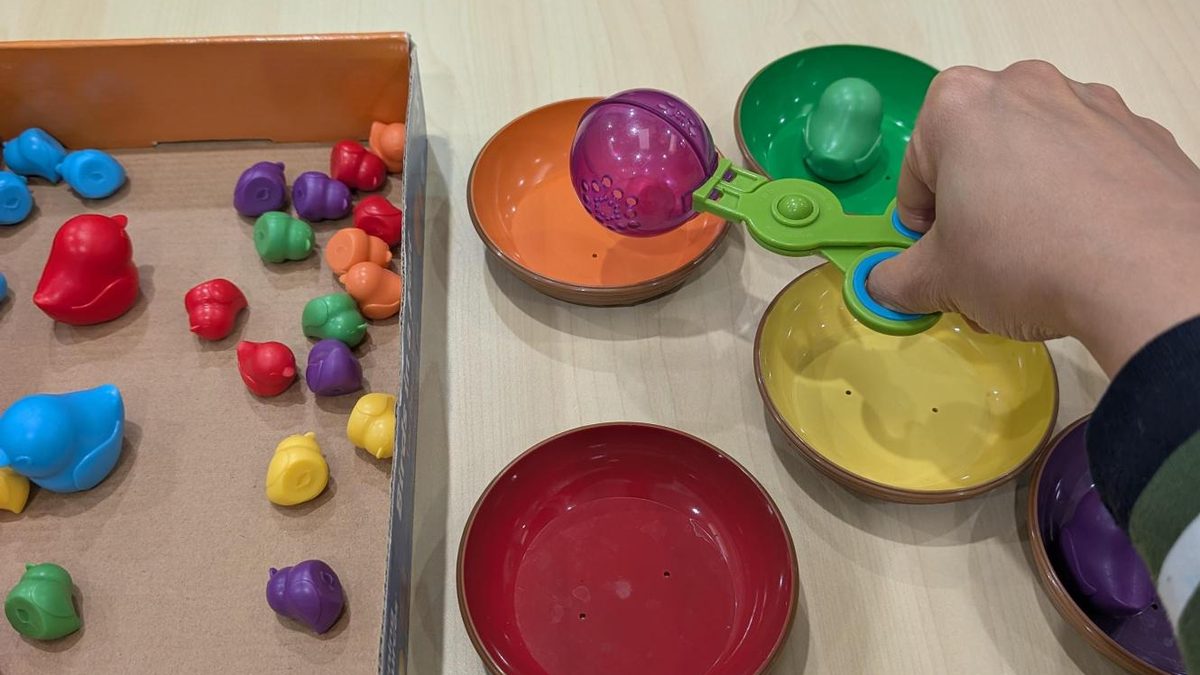
Key takeaways
- Strong, coordinated hands come from play, not worksheets. Everyday household items work just as well as bought toys.
- Each activity below builds a specific skill: pinch strength, two hands working together, finger control or hand-eye coordination.
- Ten minutes a day, built into routines you already have, is more useful than one long session a week.
- If your child avoids these activities, tires quickly or gets very frustrated, an OT can look at why.
You don’t need a cupboard full of therapy toys to help your child’s hands get stronger. Pegs, tongs, a cereal box and some scrap paper can do a lot of the work. These are the kinds of activities our occupational therapists suggest to families at our Northmead clinic every week.
Why fine motor play matters
Fine motor skills are the small, precise movements of the hands and fingers. Children use them to hold a crayon, open a lunchbox, do up buttons, use scissors and, later, write. These skills sit on a foundation of shoulder and core stability, hand strength, and the two sides of the body working together.
Play is how that foundation gets built. When an activity is fun, children repeat it, and repetition is what builds strength and control.
5 OT-approved play activities to try at home
Each activity uses things most families already have, and each one comes with an easier and a harder version so you can match it to your child.
1. The clothes-peg challenge
You’ll need: wooden or plastic clothes pegs, a cardboard box, a plastic cup or the edge of a bucket.
How to play: Clip pegs around the rim of a cup or box, then take them off again. Count them, sort them by colour, or clip them onto a paper “lion’s mane” or “sun’s rays”.
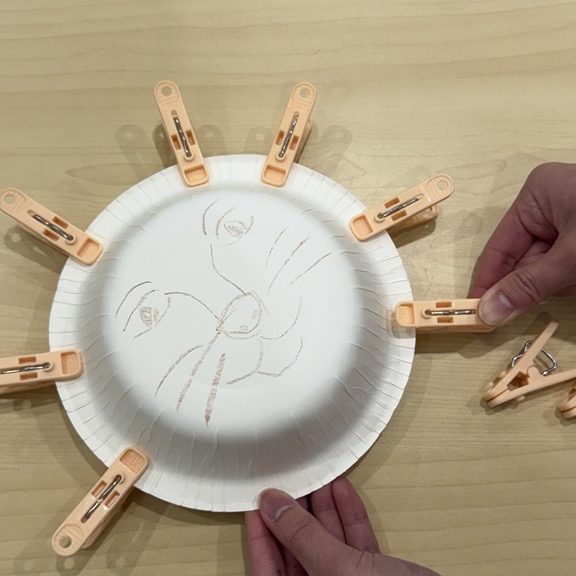
What it builds: pinch strength in the thumb and first two fingers — the same fingers used to hold a pencil.
Easier: use looser pegs, or let your child use their whole hand to squeeze. Harder: use stiffer pegs, or hold a peg between the thumb and index finger only.
2. Kitchen tongs transfer
You’ll need: kitchen tongs, salad servers or tweezers; cotton balls, pom-poms or pasta; two bowls or an ice-cube tray.
How to play: Move items one by one from one bowl to another. Make it a race, a colour sort, or “feed” a toy animal.
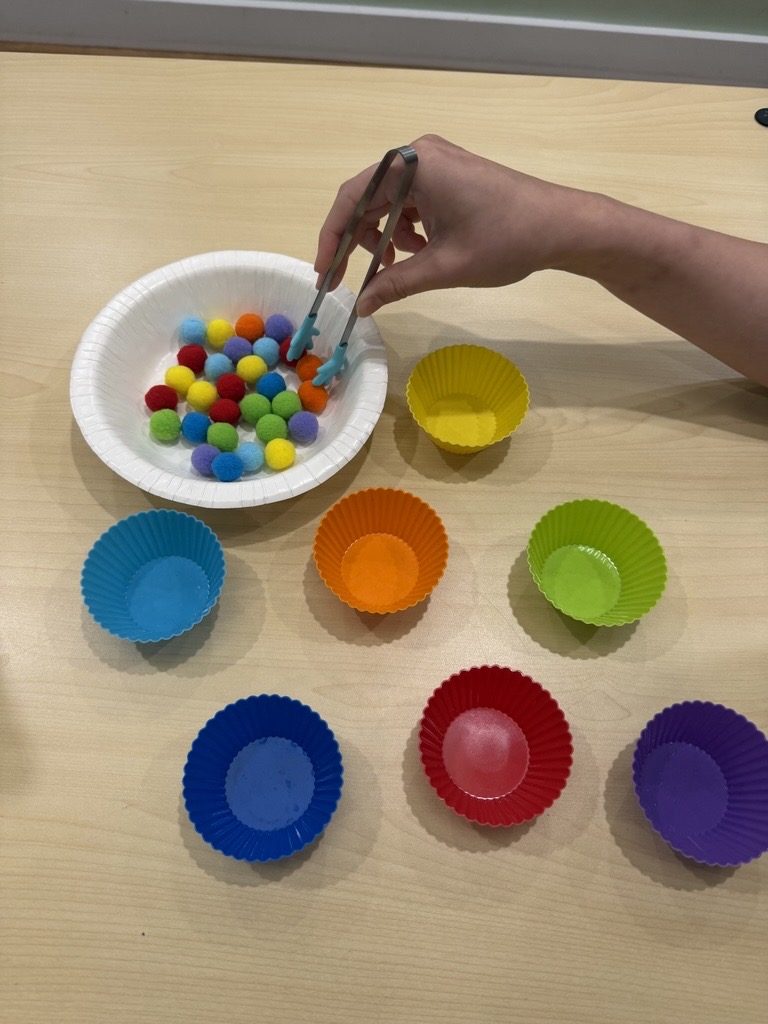
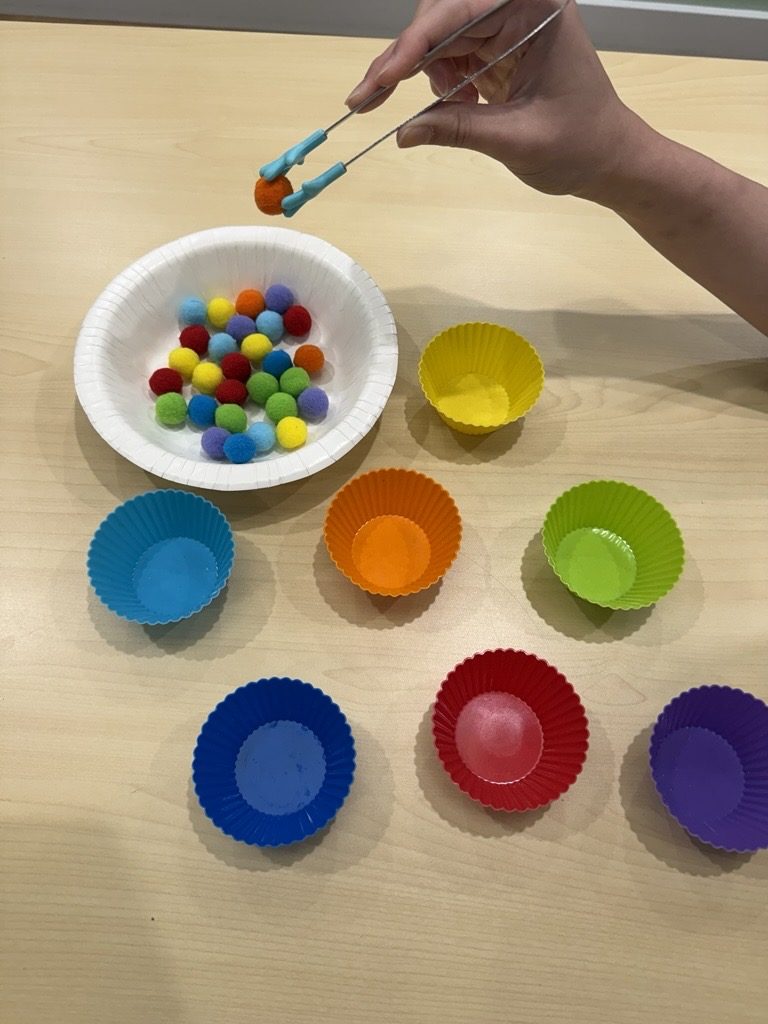
What it builds: controlled grasp and release, hand strength, and hand-eye coordination.
Easier: big tongs and large, light items. Harder: smaller tweezers, slippery items, or filling each section of an ice-cube tray.
3. Dough treasure hunt
You’ll need: playdough or a basic flour-and-water dough; a few hidden “treasures” such as buttons, beads or coins (larger objects for younger children).
How to play: Hide the treasures in a ball of dough. Your child squeezes, pulls and pokes to find them. Then roll snakes, pinch tiny balls, or use a blunt knife and fork to cut.
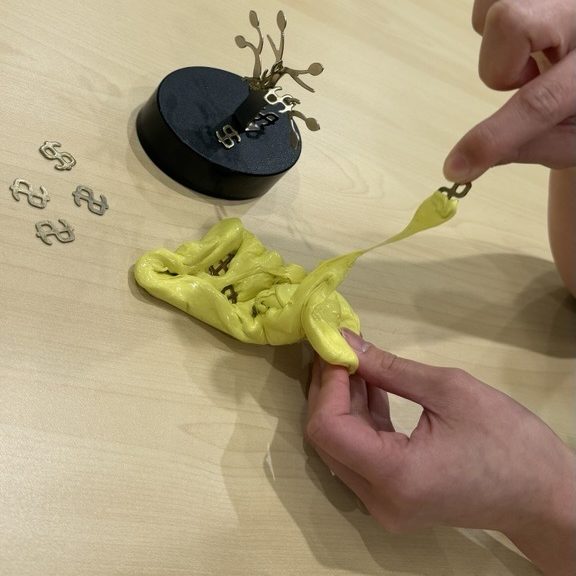
What it builds: whole-hand strength, finger isolation and two hands working together. Many children also find the squishy texture calming.
Easier: softer dough and bigger treasures. Harder: firmer dough, more treasures, or using only fingertips.
4. The posting box
You’ll need: an old container with a lid (a formula tin or takeaway container), a knife to cut a slot (adult job), and coins, buttons, poker chips or cardboard squares.
How to play: Your child posts items through the slot one at a time. Try a narrow slot, a turned slot (so the wrist has to rotate), or holding several items in one hand and feeding them to the fingertips one by one.
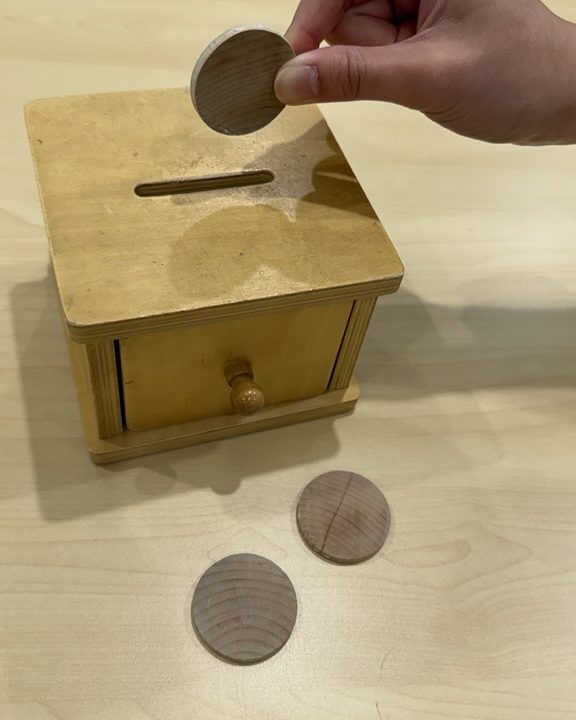
What it builds: finger dexterity, wrist rotation and in-hand manipulation — skills used later for handling coins, buttons and pencils.
Easier: a wide slot and large items. Harder: a narrow slot, smaller items, or posting with the non-dominant hand.
5. Tear-and-stick collage
You’ll need: old magazines, junk mail or coloured paper; a glue stick or contact paper (sticky side up).
How to play: Tear paper into small pieces, scrunch some into balls, and stick them onto a drawing — a fish with scales, a tree with leaves, a rainbow.
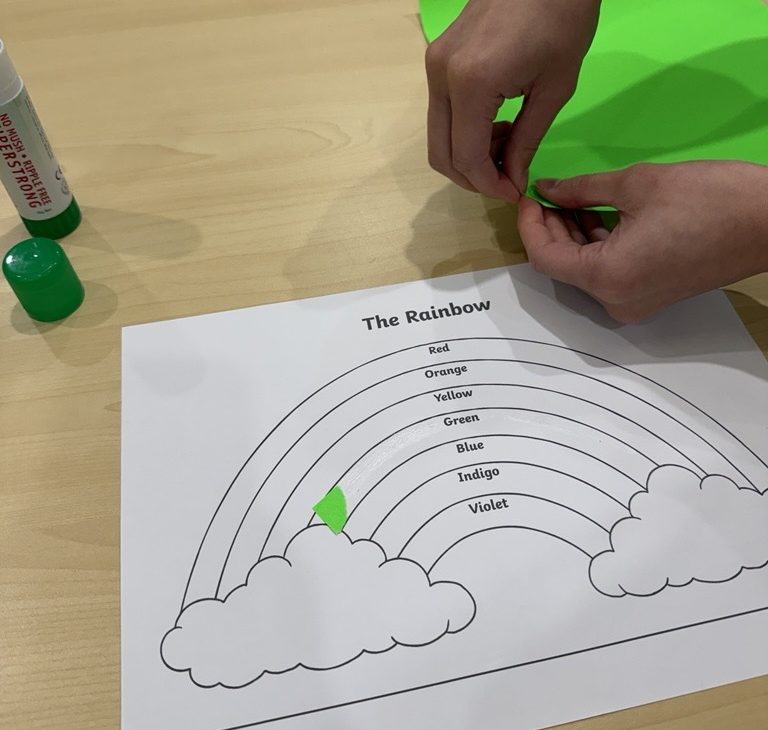
What it builds: both hands working together (one holds, one tears), finger strength, and early pre-scissor skills.
Easier: pre-tear strips your child can rip across. Harder: tear around a simple shape, or use small scrunched balls only.
Safety first: coins, buttons and beads are choking hazards for children under 3, and for older children who still mouth objects. Use larger items and supervise closely.
Making it part of your week
- Keep it short. Five to ten minutes is plenty, especially for younger children.
- Fold it into routines. Pegging out socks after the wash, tearing lettuce for dinner, and squeezing a sponge at bath time all count.
- Follow their interests. Dinosaurs can be “rescued” from dough; cars can be “parked” with pegs.
- Sit at a table or on the floor on their tummy. Lying on the tummy while playing also builds shoulder strength.
- Praise effort, not neatness.
For more ideas on keeping play engaging, see our earlier post on making everyday play more engaging.
When to seek support
Every child develops at their own pace. It may be worth talking to an occupational therapist if your child:
- avoids or quickly gives up on hand-based activities
- tires quickly or complains their hands hurt when drawing or colouring
- still uses a whole-fist grip on crayons beyond around 3 to 4 years
- finds self-care tasks like opening containers, zips or buttons much harder than peers
- is starting school soon and you have concerns about drawing, cutting or writing
Our OTs see children from across Western Sydney at our Northmead clinic, close to Parramatta, Baulkham Hills and the Hills District. Read more about our fine motor and handwriting support or contact us to book.
Frequently asked questions
What are fine motor skills?
Fine motor skills are the small movements of the hands and fingers used for tasks like holding a crayon, using scissors, doing up buttons and writing. They depend on hand strength, coordination and stability through the shoulders and core.
How can I improve my child’s fine motor skills at home?
Short, playful daily activities work best. Squeezing pegs, using tongs, playing with dough, posting coins into a slot and tearing paper all build strength and control using things you already have at home.
What age should my child start fine motor activities?
Fine motor play can start in infancy, with grasping toys and finger foods. Activities like those above suit most children from around 2 years, adjusted for their age and with close supervision around small objects.
Are fine motor skills important for school?
Yes. Children use fine motor skills throughout the school day — opening lunchboxes, managing clothing, cutting, drawing and handwriting. Building them through play before Kindergarten can help children feel more confident in class.
When should I see an OT about fine motor skills?
Consider an OT assessment if your child avoids hand-based play, tires quickly, still uses a fist grip beyond around 3 to 4 years, or struggles with self-care tasks compared with peers. You don’t need a referral to book.
References
- Raising Children Network. Handwriting in children: development, tips and support.
- Raising Children Network. Collage activity for kids: 2–6 years.
- Community Child Care Co-operative (NSW). Developmental milestones and the Early Years Learning Framework and the National Quality Standards.
- Australian Government Department of Education / ACECQA. Belonging, Being and Becoming: The Early Years Learning Framework for Australia (V2.0).
- ACECQA. National Quality Standard.