









Occupational Therapy

Help your child build skills and confidence ​

Our Occupational therapists work with children to ensure they can fulfill their everyday activities including self-care, social skills and learning. 

Paediatric Occupational
Therapy

Paediatric occupational therapy is goal-focused intervention to teach strategies or adaptations, change environments and educate individuals involved in the child’s life.

Your child will benefit from a holistic approach to intervention, that considers their unique underlying abilities which impact task performance e.g. motor skills, cognition, sensory, personal, and emotional factors.

No matter where your child is at – developmental delay, disability, neurodivergent or just needing extra support – we can help. Our occupational therapists have experience supporting children with a wide range of abilities and disabilities. Explore the support we offer at each stage: Early Childhood (0–6), School Aged (7–12), and Teenagers (13–16). 

We Can Help With

Our Occupational Therapy Services

Our occupational therapists assess and treat the full range of paediatric sensory, motor, and self-care difficulties.

Sensory Processing

For children who are overwhelmed by everyday sounds, textures, or movement — or who constantly seek intense sensory input.

Developing School Readiness Skills

For children approaching kindergarten who need support with the physical, sensory, and self-care skills school requires.

Fine Motor & Handwriting

For children whose pencil grip, handwriting, or classroom fine motor tasks are behind their peers.

Emotional Regulation

For children with big meltdowns, difficult transitions, or who struggle to calm down and recover.

Toileting & Self-Care

For children whose toilet training, dressing, or daily self-care routines have stalled or need extra support.

Assessments

Purpose of assessment:​

Our assessment reports are designed to provide a comprehensive understanding of a child’s development, with a particular focus on motor skills and daily functioning. 

Benefits:


Typical Assessments Offered

Comprehensive assessments (functional skills based):

– PEDICAT (domains assessed: daily living, mobility, social, cognitive, responsibility)

– Vineland 3 (communication, daily living skills and socialisation)

Motor Skills assessments:

Movement Assessment Battery for Children, Third Edition: (Age range: 3 to 25 years). Used to assess Manual Dexterity, ball skills, Balance &Locomotion. Additionally gathers gather views from parents/teachers/self and gauge emotional/motivational impact of motor challenges.

Sensory:

Sensory Profile 2: (Age range: Birth to 14 years and 11 months). Provides you with standardised tools to help evaluate a child’s sensory processing patterns in the context of everyday life. It can assist in determining how sensory processing may be contributing to or interfering with the child’s participation in activities. 

Visual Motor Integration:

Beery Buktenica Developmental Test of Visual Motor Integration 6th Edition: (Age range: 2-adult) assesses how well a child can coordinate their visual perception and motor (hand) movements, such as copying shapes and patterns. It helps identify difficulties that may impact everyday tasks like handwriting, drawing, and other classroom or play-based activities

Handwriting Assessments:

McMasters Handwriting Protocol: Handwriting Assessment Protocol (3rd Edition) (grade range: Preschool – year 6): designed to identify the specific areas in which achild is having difficulty with handwriting and to help occupational therapists determine whether and where to intervene. 


Executive Functioning:

Brown Executive Function/Attention Scales: (Age range: 3+) assess a child’s executive functioning skills, including attention, emotional regulation, memory, organisation, and impulse control. This tool helps identify how challenges in these areas may affect daily functioning at home, school, and in social settings.

Functional Capacity Assessment:

A Functional Capacity Assessment completed by an occupational therapist provides a comprehensive overview of a child’s ability to participate in daily activities across home, school, and community settings. It consolidates information from all allied health professionals involved (where applicable), ensuring a holistic understanding of the child’s needs to inform goal setting, service recommendations, and NDIS planning.

The Children’s Occupational Self Assessment (COSA)

The Children’s Occupational Self Assessment (COSA) is a child-friendly tool designed for children aged approximately 8 years and older, or younger children with strong language and cognitive abilities. It supports children to reflect on how well they complete everyday activities and how important those activities are to them. Through structured questions and simple rating scales, children can express their own perceptions, preferences, and priorities. Involving children in goal setting in this way helps develop motivation, ownership, and engagement in therapy, leading to more meaningful and effective outcomes that are aligned with what truly matters to them.

The REAL: The Roll Evaluation of Activities of Life:

(Age range: 2 years to 18 years 11 months). Provides standardised scores to evaluate a child’s ability to perform daily activities, helping identify strengths and areas of need to inform service planning, educational supports, and living arrangements. 

What Families Say

nuran yatkin profile picture
nuran yatkin
1 month ago
Alysha Bee profile picture
Alysha Bee
2 months ago
My son has been coming here for years, and I honestly can't recommend them enough. We've seen so much progress in his speech and communication since he was dignosed with non verbal autism LVL 3 and everyone has always been so kind, supportive, and easy to deal with.

Cindy has been absolutely amazing from the very beginning. She has built such a lovely relationship with my child, and it's obvious how much she genuinely cares about the kids she works with. She's patient, encouraging, and has made such a positive impact on him over the years.

Honestly the best speech pathology we have been too.
Katie Cooper profile picture
Katie Cooper
2 months ago
My 4 year old son visits every week for speech therapy and occupational therapy with miss Cindy and miss Melanie!
He absolutely loves his therapists and has the time of his life! Not only is he receiving life changing intervention to benefit his language and social skills for his future, but he has developed a beautiful bond with these amazing women!!!
Not only has Ashton learnt so much, but it has been incredibly helpful to be able to apply the practices we learn here, and apply them to our everyday lives!
Lianru Han profile picture
Lianru Han
2 months ago
We feel incredibly fortunate to have The Bridge Effect right here in Northmead. We lives in Baulkham Hill and our son has been attending both Occupational Therapy and Speech Therapy, and the support our family has received has been outstanding.

From the very first appointment, everyone has been warm, welcoming and genuinely invested in helping our son reach his potential. His therapists are knowledgeable, patient and engaging, and every session is thoughtfully tailored to his individual needs. Over the past few months, we’ve seen wonderful progress in his communication, confidence and everyday skills. The biggest compliment we can give is that he genuinely looks forward to coming each week.

The clinic itself is absolutely incredible. It is one of the most impressive purpose-built children’s allied health centres we’ve seen in Sydney. Every space has clearly been designed with children in mind—from the spacious therapy rooms to the sensory areas and welcoming reception. The environment is bright, modern and beautifully maintained, creating a space where children feel comfortable, confident and excited to learn.

The administration team also deserves a special mention. They’re always friendly, organised and responsive, making appointments and communication effortless for busy families.

The Bridge Effect has made a real difference to our son and to our family. We’re so grateful to have such a high-quality service in Baulkham Hills and would happily recommend them to any parent looking for exceptional Occupational Therapy and Speech Therapy in a purpose-built environment where children can truly thrive.
Daniel profile picture
Daniel
12 months ago
My son attended CDI as part of the Social Therapy Group for over 1 year up until he was about to start Kindergarten. He really loved attending CDI and our personal experience was our son showed improvement with social interactions as well as his ability to function with certain everyday tasks as a result of CDI's programme. Allison and her team were always responsive to any concerns we raised and Allison in particular always went out of her way to help us. Highly recommended.
Clo profile picture
Clo
1 year ago
CDI changed my son’s life. In particular the social therapy group was the only reason we were able to transition him into daycare within 3 days!

My son has high support needs ASD and the staff at CDI were absolutely amazing.

I am so sorry that Beacon Hill closed and am even more sorry that STG is no longer offered.

I don’t know who the recent people are voting them 1 stars across campuses but that’s was NOT our experience. To all the staff there, we miss you, and you have changed our lives forever.
Von Le profile picture
Von Le
5 years ago
The Child Development Institute has been amazing in helping our child with autism. Since attending CDI, he has shown greater improvements in communication. We have seen more engagement, greater eye contact and looking when we talk to him, he is starting to babble more and being more vocal in trying to express himself. He has even shown greater engagement at the daycare he attends. He has more social skills by playing and try to communicate more with his peers at the daycare.
My son, who has ASD L3 and is non-verbal, has been receiving intensive therapy at CDI for almost a year and a half now. The progress my son has made while attending CDI has been very noticeable and encouraging from the very beginning in terms of awareness, ability to communicate intentionally with gestures, ability to tolerate changes and adapt to routines, as well as to interact socially with adults and peers.

My son is now receiving PECS therapy at CDI and in only 3 weeks, my son is now able to discriminate the visual images on the cards to pick the appropriate one to request what he wants. This is huge for my son as he had been doing PECS while in speech therapy and it never worked for him before. Another great development is that my son didn’t tolerate being around other children before CDI and now he’s happy to do parallel play and participate in group routines. These are great developments that will make my son’s transition into kindy next January 2022 much easier for him.

CDI works with the ESDM (Early Start Denver Model) method which has been great for my son as it follows and nurtures the interest of the child to maximise his potential for learning. For example, my son is a sensory seeker and nurturing his interest in sensory driven activities has been key in improving his attention span and engagement in therapy. I highly recommend the services provided by CDI to any parents with children in the autism spectrum.

Meet our Occupational Therapists

Ly Fabros — Head of Occupational Therapy Department

Ly leads the Occupational Therapy Department at The Bridge Effect, supporting children from early childhood through adolescence. She is trained in the SOS Approach to Feeding and is Better Access to Mental Health (BAMH) endorsed, allowing eligible families to access Medicare-rebated occupational therapy sessions with her under a Mental Health Treatment Plan.
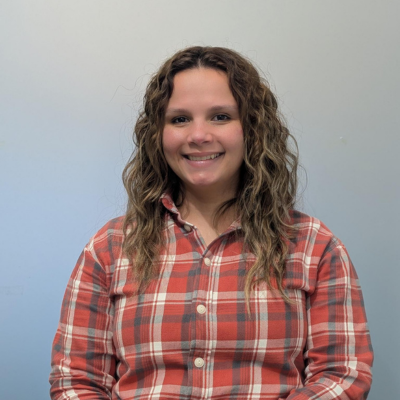
Melanie Arokeum — Senior Occupational Therapist

Melanie is a Senior Occupational Therapist supporting children aged 0–13 with developmental delay, autism, ADHD and sensory processing differences. Her family-centred, play-based approach helps build self-regulation, motor skills, self-care and school participation. Melanie is fluent in English, French and Creole.

Tsz Ching Cherrie Ip — Occupational Therapist

Cherrie is an Occupational Therapist supporting infants, toddlers and young children up to age 6. She partners with families to build everyday skills in self-care, play, feeding, emotional regulation and school readiness, using a collaborative, play-based approach. Cherrie speaks English, Cantonese and Mandarin.

Frequently Asked Questions

Our occupational therapists believe parents know their children best. By working closely with you during sessions, we ensure the goals are practical and achievable. Professionals may come and go, but families are the constant support in a child’s life.

Good partnerships between therapists and parents ensure that support and learning continue at home, leading to better outcomes for your child. This is because evidence shows that most of a child’s learning happens between therapy sessions. We give you the skills and strategies to make it happen.​

At the initial consultation, we will work with you to decide the best approach for your child’s needs. This includes information gathering and observation through to standardised assessments. Our goal is to determine your child’s strengths and needs. From here, you and your therapist will set individualised therapy plan. ​

To foster engagement and enjoyment, we centre activities around your child’s interests and focus on building and maintaining a trusting therapeutic relationship.​

Therapy may take place in our outdoor play space or personalised therapy rooms. At every session we will discuss outcomes and provide parent support and guidance.​

Rebates may be available through Medicare and Private Health Insurance. Services can be self-funded and with your child’s NDIS package.​​

Group programs are developed in response to client demand and identified needs, ensuring that each group is tailored to meet the specific goals of families. We prioritise individualisation by matching peers based on age and abilities to maximise engagement and therapeutic outcomes.​​​

Funding Options

We understand that therapy is a significant investment, and we want to make it as accessible as possible. Most families use NDIS, Medicare, private health insurance, or a mix of the three to help fund occupational therapy — here’s a quick summary of each, with full detail on our Funding Options page:

The Bridge Effect supports NDIS self-managed and plan-managed participants. Occupational therapy is typically funded under Capacity Building — Improved Daily Living. We are not currently a registered NDIS provider, so we’re unable to work with NDIA-managed (agency-managed) plans directly. If your child is under 9 and does not yet have an NDIS plan, they may be eligible for early intervention support through the NDIS Early Childhood Approach (ECA). Under this pathway, a child does not need a formal diagnosis to access funded therapy. Contact us to discuss whether this pathway might apply to your family. Learn more about NDIS funding here.

Complex Neurodevelopmental Disorder Treatment and Management Plan

For a person under 25 with a suspected or diagnosed complex neurodevelopmental disorder (such as autism) or another eligible disability, the Item 135 pathway provides up to 8 assessment and 20 treatment allied-health sessions per lifetime, shared across professions. Ask your GP, paediatrician or psychiatrist whether your child is eligible. 

Better Access Mental Health Treatment Plan for OT

Where emotional regulation or mental-health-related support is part of your child’s OT goals, up to 10 individual (and 10 group) sessions per calendar year may be claimable under a GP Mental Health Treatment Plan — occupational therapy only, and only with an OT registered with Medicare to provide Better Access focused psychological strategies. Ask your GP about a referral. More detail: Medicare Rebates page.

Many private health insurance policies with extras cover include an occupational therapy benefit. The amount varies by fund and level of cover, and Medicare and private health rebates can’t both be claimed for the same session. Contact your insurer to confirm your entitlement before your first appointment — we can provide receipts in the format required for health fund claims. Full detail: Private Health Insurance page.

Families who are not funded through NDIS or Medicare are welcome to attend as private clients. Our current fee schedule is available on request — contact us or ask at the time of booking. Not sure which pathway fits your family? See our full Funding Options guide or get in touch.

Ready to Take the First Step?

We invite you to learn more about how the The Bridge Effect can make a significant difference in your family’s life. Whether it’s about taking the first steps or continuing the journey, we’re here to support you every step.

Contact us today to schedule a consultation and begin a new chapter in your child’s developmental story.

Looking for support closer to home? Find occupational therapy near your suburb.